


Shipping Times, Customs, and HS Codes: What Importers Should Expect
Essential Logistics Planning for Importing Eco Tableware From China

For distributors importing bagasse, cornstarch, PET, or cutlery products from China, understanding logistics timelines and customs processes is crucial for planning retail launches, restaurant supply contracts, or seasonal replenishment. This article outlines realistic freight times, documentation requirements, and HS code usage.
I. Shipping Times by Destination
Shipping time varies by region. To the U.S. West Coast, sea freight typically requires 15-20 days. Shipments to the U.S. East Coast take 28-35 days via the Panama Canal. European destinations—Germany, the U.K., France, Spain, the Netherlands—generally require 25-35 days.

Customs clearance time depends on port congestion and documentation accuracy but usually ranges from 2–5 days. Additional time should be allocated for inland transportation to final warehouses or distribution centers.
II. HS Codes for Eco Tableware Products
Correct HS codes ensure smooth customs processing and accurate duty calculation.
1. Bagasse Tableware
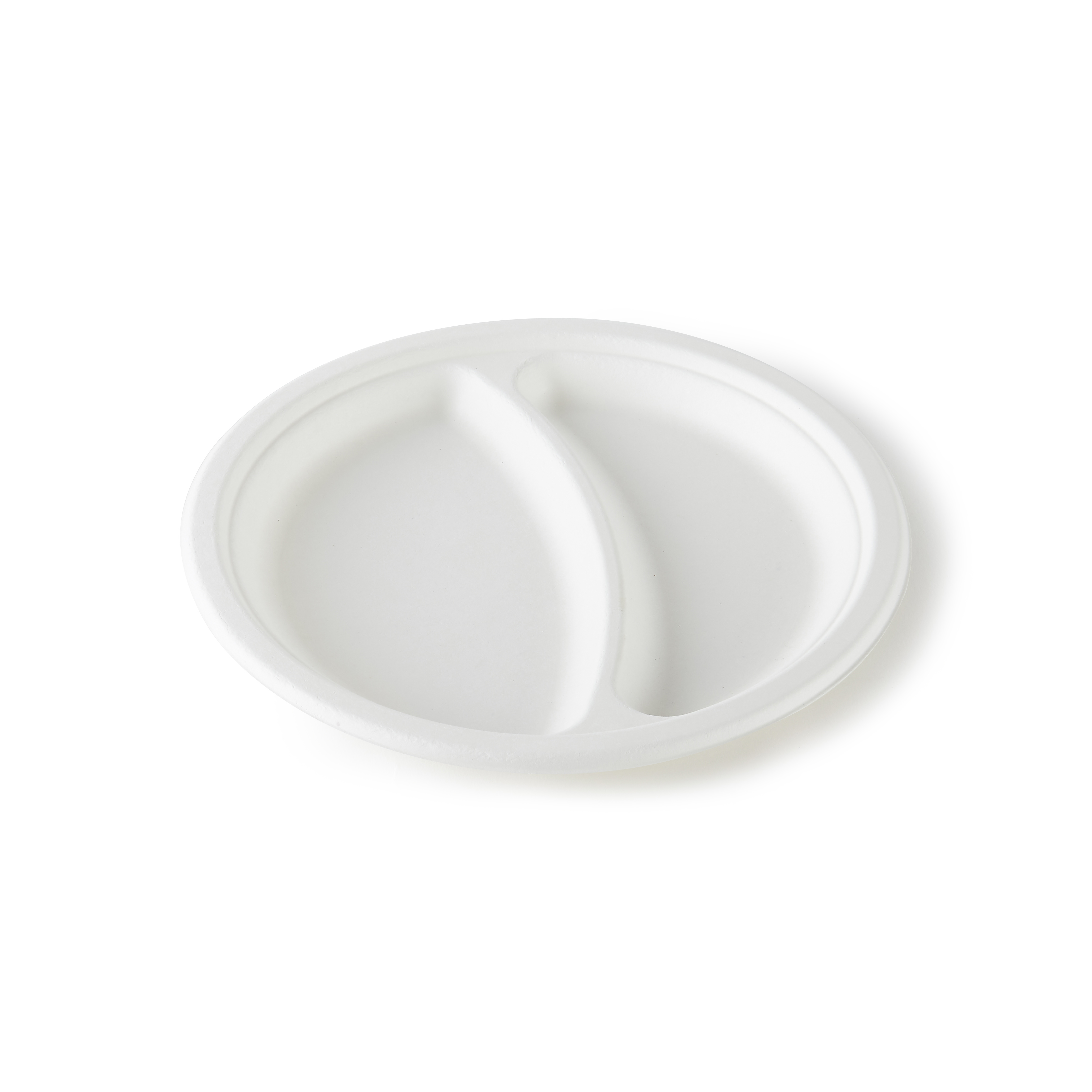
For bagasse tableware, the typical HS code is 48236910, categorized under molded fiber products. This classification applies to plates, bowls, clamshells, and other tableware made from sugarcane fiber.
2. Cornstarch Tableware
Cornstarch tableware often uses 39241000 (tableware and kitchenware of plastics, including bioplastics). This code covers biodegradable and compostable tableware made from plant-based polymers.
3. PET and rPET Products
PET lids and cups generally use 39235090. This classification applies to plastic tableware and kitchenware, including items made with recycled PET content.

Providing accurate HS codes helps importers calculate duties and VAT in advance, preventing delays or unexpected costs during customs clearance.
III. Essential Documentation Requirements
Complete and accurate documentation is crucial for smooth customs processing.
1. Core Shipping Documents
Essential documents include the Bill of Lading, Packing List, Commercial Invoice, and Certificate of Origin. These documents provide customs authorities with necessary information about the shipment's contents, value, and origin.
2. Compliance Certificates
Food-contact compliance reports (FDA, LFGB, EU 10/2011) are required for tableware products. Some countries require additional certification for compostable materials—such as BPI in the U.S. or OK Compost in the EU.
Retail chains often mandate specific documentation standards. Professional factories can provide these documents in the required formats to avoid clearance delays.
IV. Lead Time Planning and Production Considerations
Effective planning requires understanding both production and shipping timelines.
| Product Type | Production Time | Sea Freight Time (to West Coast) | Total Lead Time (Approx.) |
|---|---|---|---|
| Bagasse Tableware | 25–35 days | 15–20 days | 40–55 days |
| Cornstarch Tableware | 20–30 days | 15–20 days | 35–50 days |
| Cutlery | 18–25 days | 15–20 days | 33–45 days |
| PET/rPET Products | 15–22 days | 15–20 days | 30–42 days |
Consolidated orders with many SKUs may take longer because production must synchronize across multiple lines. Lead times should be calculated from production start to arrival at destination port, including buffer time for customs clearance.
Minimizing Customs Delays
To minimize clearance delays, buyers should confirm carton labels, pallet specifications, and importer-of-record information early. Retail chains often mandate barcode and pallet layout standards; professional factories can provide these to avoid re-labelling at the port.
By understanding logistics timelines and customs requirements, buyers can plan more accurate delivery schedules and maintain reliable stock levels, especially during peak holiday seasons or promotional periods. Working with experienced suppliers who understand international shipping requirements can significantly streamline the import process.